Conflict resolution is a safety tool, not a soft skill
Why frontline organisations cannot afford to treat escalation, abuse, and pressure as “part of the job” in 2026 For many organisations in public-facing, safety-critical…
The UK’s finest learning and development experience

Hey, I’m Craig – Head of Learning and Quality Assurance at MEP.
Welcome to 2026!
In high-performing environments, reflection can feel like a luxury.
When you’re focused on delivery, it’s easy to treat pause points as distractions. Time feels tight. The next challenge is already lined up. And culturally, many teams are trained to scan forward.
But if we want to start well in the new year, a bit of reflection can actually make us go faster. It sharpens our awareness, builds alignment, and it helps us move forward with fewer missteps.
At Minerva Elite Performance, we think of reflection as a performance tool. It’s not something reserved for the off-season or the year-end review. It’s how you build clarity and sustain momentum over time.
The reality of progress, especially in operational environments, is that it often happens quietly.
A small shift in how a team communicates. A piece of feedback that changes how someone shows up. A new process that just… works.
These aren’t things that make the highlight reel. But when you look back over months of work, they’re often the changes that matter most.
This year, we’ve seen plenty of that at MEP.
Training plans that turned into routines. New team members who brought fresh capability. Client partnerships that deepened into ongoing collaboration.
Progress that felt slow in the moment now reveals itself as solid ground.
Like any organisation, we began the year with targets. But you can’t just measure success by how many goals are hit. More often, you see it in how new ways of working start to feel normal.
We’ve seen services settle into rhythm. We’ve improved the way we prepare, deliver and follow through.
Conversations with learners and partners became sharper, more focused. Systems clicked into place that make the whole operation feel more joined-up.
These weren’t dramatic shifts. They were built through consistent attention and shared commitment.
That’s what performance looks like when it’s sustainable. It becomes embedded, rather than imposed.
In leadership (whether that’s in construction, defence, utilities, or frontline services), the rhythm of work rarely lets up. But constant movement without reflection can introduce risk.
Opportunities are missed. Fatigue creeps in. Problems repeat that could have been solved with five minutes of critical thought.
When reflection is built into the rhythm, performance improves. Teams adjust sooner. Individuals spot patterns and correct course. Small improvements become easier to make.
This isn’t about slowing down. It’s about making better use of the effort you’re already putting in.
We shape and design all our programmes around what people have already done. Not theoretical concepts, but real moments. A decision under pressure. A conflict handled in the field. A challenge that called for a different response.
This is where transformation starts. You begin with what people are already familiar with, then stretch it.
That’s what we’ve seen this year across our leadership programmes, conflict resolution work, and coaching relationships. Progress looked different in every setting, but the thread was the same. Build on what’s already there, and do it with intent.
If you want to close the year with clarity, take ten minutes. Ask:
You don’t need a workshop or away day. Just a conversation, or a moment of thought, can surface insight that might otherwise be missed.
At MEP, we’ve worked with organisations and individuals under pressure. Teams that can’t afford to slow down, but still need to grow.
What we’ve learned, and what this year confirmed, is that sustainable high performance doesn’t come from moving faster. It comes from knowing when to stop, notice, and adjust.
That’s the value of looking back. Not to congratulate ourselves, but to understand what’s working and carry that forward with purpose.
If the next step matters, then knowing how you got here is part of taking it well.
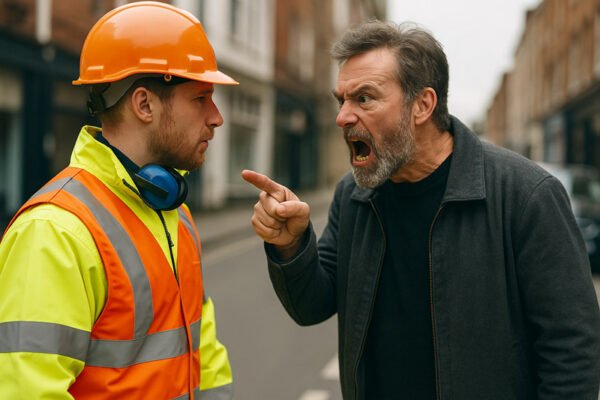
Why frontline organisations cannot afford to treat escalation, abuse, and pressure as “part of the job” in 2026 For many organisations in public-facing, safety-critical…

Why looking back is essential to sustainable high performance Hey, I’m Craig – Head of Learning and Quality Assurance at MEP. Welcome to 2026! In high-performing…

Leaving the military? Don’t leave money on the table. If you’re planning your transition from the Armed Forces to civilian life, ELCAS funding is one of the most powerful…